November 25, 2026
The roofing system is a critical component of any building, acting as the first line of defense against environmental elements. However, the integration of drainage systems to prevent water accumulation is often overlooked. Unseen debris can pose significant dangers to these systems, potentially compromising the longevity and integrity of the roof, and by extension, the entire building. As climate changes amplify the frequency of intense weather patterns, maintaining an efficient roof drainage system becomes more crucial. The invisible threats posed by debris necessitate a proactive approach in both residential and commercial sectors.
The Importance of a Clean Roof Drainage System
Preventing Water Damage
Water damage is one of the primary threats to structures, and clean roof drainage systems are key in its prevention. When drainage systems are clogged with debris, water tends to pool on roofs, leading to potential leaks. These leaks can then infiltrate the interior of a building, damaging ceilings, walls, and even electrical systems. Prevention of such damage not only preserves the aesthetic value of a building but also averts cases of structural weakening that may arise from prolonged exposure to moisture. Therefore, keeping the drainage system free of debris is essential to maintaining a building's integrity.
Mitigating Structural Risks
Beyond water damage, accumulated debris can cause structural risks that endanger the safety of a building. The extra weight from water and debris can put undue pressure on the roof structure, potentially causing sagging or even collapse in severe cases. This threat is substantial in regions prone to heavy snowfall or rainfall, where drainage systems can easily become overwhelmed. Regular maintenance of the drainage system is, therefore, not just a matter of aesthetics but a fundamental aspect of ensuring the safety of occupants. By mitigating these risks, property owners can avoid costly repairs and ensure compliance with safety regulations.
Prolonging Roof Lifespan
A properly functioning roof drainage system plays a pivotal role in prolonging the lifespan of a roof. Debris accumulation can lead to premature wear and tear, requiring early replacement or intensive repair work. By maintaining a clear path for water to exit the roof, property owners can eliminate age-related issues and maximize their return on investment. Additionally, an extended roof lifespan can offer economic benefits by reducing frequent expenditure on repairs and replacements. Thus, a clean drainage system is not just a short-term fix but a long-term investment in building health.
Common Sources of Debris in Roof Drainage Systems
Natural Elements: Leaves and Twigs
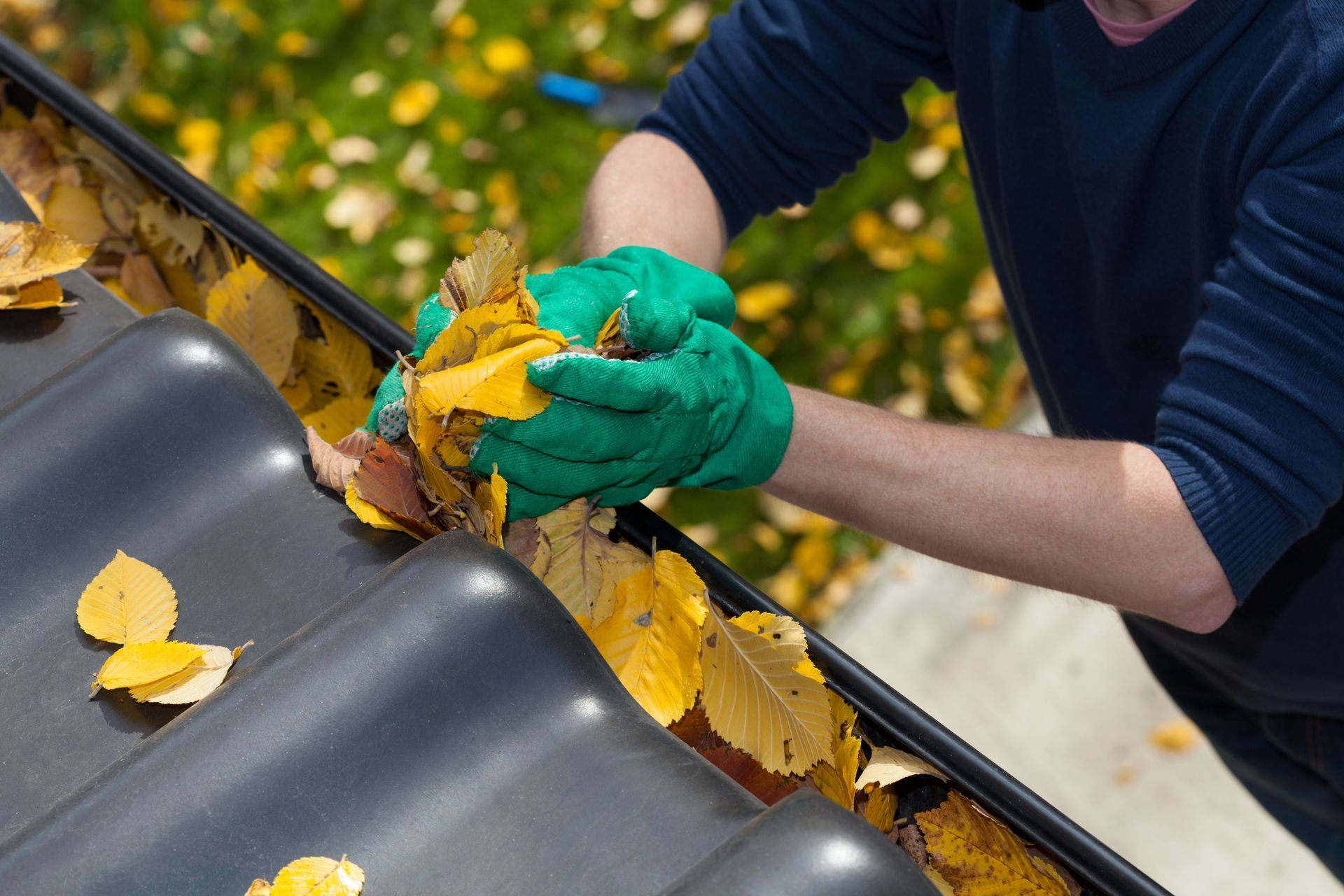
Leaves and twigs are among the most common culprits of debris blockage in roof drainage systems. These natural elements often find their way into gutters and downspouts, particularly during autumn when deciduous trees shed their leaves. Once collected, they can form clumps that effectively block water flow, leading to potential overflow and associated damage. Regular cleaning, especially in areas with abundant tree coverage, can mitigate these obstructions. Interestingly, according to the Freedonia Group, in the face of increased demand for drainage products, the market value for gutter systems is projected to rise 2.7% per year, reaching $8.3 billion by 2027.
Animal Nests and Remains
Roofs, being exposed areas, often attract animals in search of shelter, leading to nests and sometimes remains. Birds, rodents, and insects can build homes in gutters, causing blockage by accumulating nesting material. Over time, these nests can become compacted, and removing them is crucial to maintain a clear drainage pathway. Moreover, the presence of animal remains can lead to unpleasant odors and even health hazards if left unattended. Routine inspection can help identify and address these issues before they escalate into more severe problems.
Litter and Human Waste
Although less common, human-related debris such as litter and waste can also find its way into roof drainage systems. Items like plastic bags, food wrappers, and other refuse can be windblown onto roofs, creating blockages. Additionally, renovation work on buildings can result in waste being inadvertently left behind, causing further obstructions. The unpredictable nature of this type of debris makes it imperative for property owners to conduct regular checks of their drainage systems. By understanding the various sources of debris, one can enact effective prevention and maintenance strategies.
The Consequences of Neglecting Roof Drainage Maintenance
Water Overflow and Pooling
Neglecting roof drainage maintenance often results in water overflow and pooling, a precursor to significant water damage. When gutters and downspouts are clogged, water cannot be effectively channeled away from the roof, leading to stagnation. This pooling can cause leaks, seepage, and even structural destabilization over time. Moreover, continuous water exposure can degrade roofing materials, necessitating frequent repairs. Proactive maintenance is essential to prevent these costly issues from manifesting.
Increased Repair Costs
Inadequate drainage maintenance can lead to skyrocketing repair costs for building owners. When inefficiencies in water management occur, the resultant damage can spread quickly, affecting other components of a structure. Repairing water-damaged roofs, gutters, and interiors is typically expensive, particularly if mold remediation is involved. The financial burden can be immense, emphasizing the need for regular maintenance as a preventive measure. Investing in routine drainage upkeep can thus act as a safeguard against unforeseen expenses.
Mold and Mildew Growth
The presence of stagnant water in drainage systems creates a prime breeding ground for mold and mildew. These fungi can spread to various parts of the building, posing health risks to its occupants. Inhalation of mold spores may cause respiratory issues, allergies, and other health complications, particularly among sensitive individuals. Moreover, mold can lead to unpleasant odors and degrade the overall indoor air quality. Ensuring effective drainage is not just a structural concern, but a public health one as well.
Best Practices for Maintaining Roof Drainage Systems
Regular Inspection Schedules
Instituting regular inspection schedules is the cornerstone of effective roof drainage system maintenance. By setting periodic evaluations, property owners can identify potential issues before they escalate. These inspections allow for timely debris removal, damage identification, and preventive actions, keeping the drainage system functioning optimally. It's recommended that inspections occur biannually, with additional checks following major weather events. Adopting a disciplined approach to maintenance can extend the lifespan of the roof and drainage system significantly.
Efficient Debris Removal Techniques
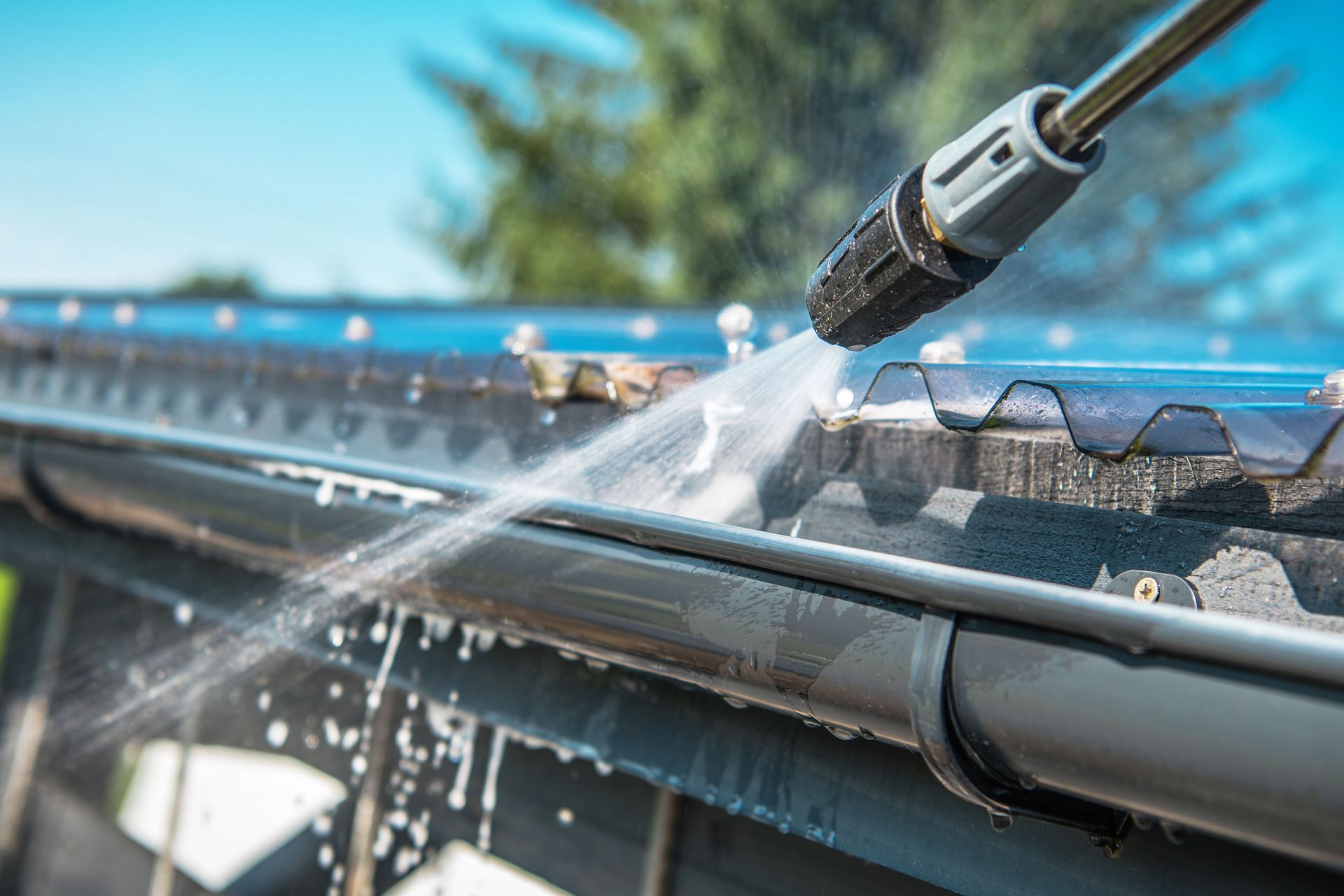
Efficient debris removal is key to maintaining a clear and effective drainage system. Methods like manual cleaning and utilizing specific tools ensure that gutters and downspouts remain unobstructed. In addition, implementing cleaning after seasonal changes can prevent the build-up of natural debris. Some property owners opt to use leaf blowers or pressure washers for broader surface cleaning. Consistent removal of obstructive materials ensures longevity and functionality of drainage systems.
Professional Cleaning Services
Engaging professional cleaning services can provide an extra layer of assurance in maintaining roof drainage systems. Professionals have the tools and expertise to clean gutters thoroughly and identify potential issues that could be easily overlooked by untrained eyes. This service is particularly beneficial for larger buildings or those with complex roof designs that are difficult to access. Professional services also offer the convenience of maintenance without the risks associated with climbing ladders. Investing in expert care can thus serve as a sensible addition to a maintenance routine.
Unseen debris in roof drainage systems is a subtle but pervasive threat. Addressing this issue requires awareness, regular maintenance, and, in some cases, the incorporation of technological solutions. By understanding the dangers and implementing strategic preventive measures, homeowners and building managers can protect their investments and ensure the safety and structural integrity of their buildings. The projected growth in the market for gutter systems underscores the increasing recognition of the importance of drainage systems. Staying ahead with regular maintenance and leveraging technological advancements can mitigate the risks associated with unseen debris. If you're looking for cleaning services for your gutters, contact Metal Exteriors LLC today.